New Special Spatial Plans for renewables and tourism
The Cabinet approved a new Special Spatial Planning Framework for renewables and a new framework for tourism on 24 August 2026, with wind farm bans and coastal construction zones.
English Machine-translated from Greek · Read the Greek original
Greek local news in your inbox, every morning.Subscribe free →
Two new Special Spatial Planning Frameworks, one for Renewable Energy Sources and one for tourism, were approved by the Cabinet, which met on Monday 24 August 2026. According to the briefing given by the government spokesperson after the meeting, the renewables framework was proposed by the Minister of Environment and Energy and Deputy Minister Nikolaos Tsafos, and is combined with the corresponding Special Spatial Framework for Industry. These are texts that determine where activities may and may not be sited across the whole country and which, once approved, bind subordinate urban planning. The same meeting included other announcements too, from investment and tackling high prices to changes in schools and regional administration, as reported by the two outlets that covered the briefing.
On wind farms, the government announced explicit bans. Wind turbines may not be installed in Attica and the Metropolitan Area of Thessaloniki, at altitudes above 1,200 metres, in wetlands of international importance under the Ramsar Convention, in Landscapes of Particular Natural Beauty, in the core zones of national parks, in historic sites or at ancient monuments. Additional restrictions apply to islands with an area smaller than 300 square kilometres, with exceptions for critical or public-benefit infrastructure, as well as for out-of-plan tourism and recreation areas, active quarrying and mining zones, Roadless Areas and swimming beaches.
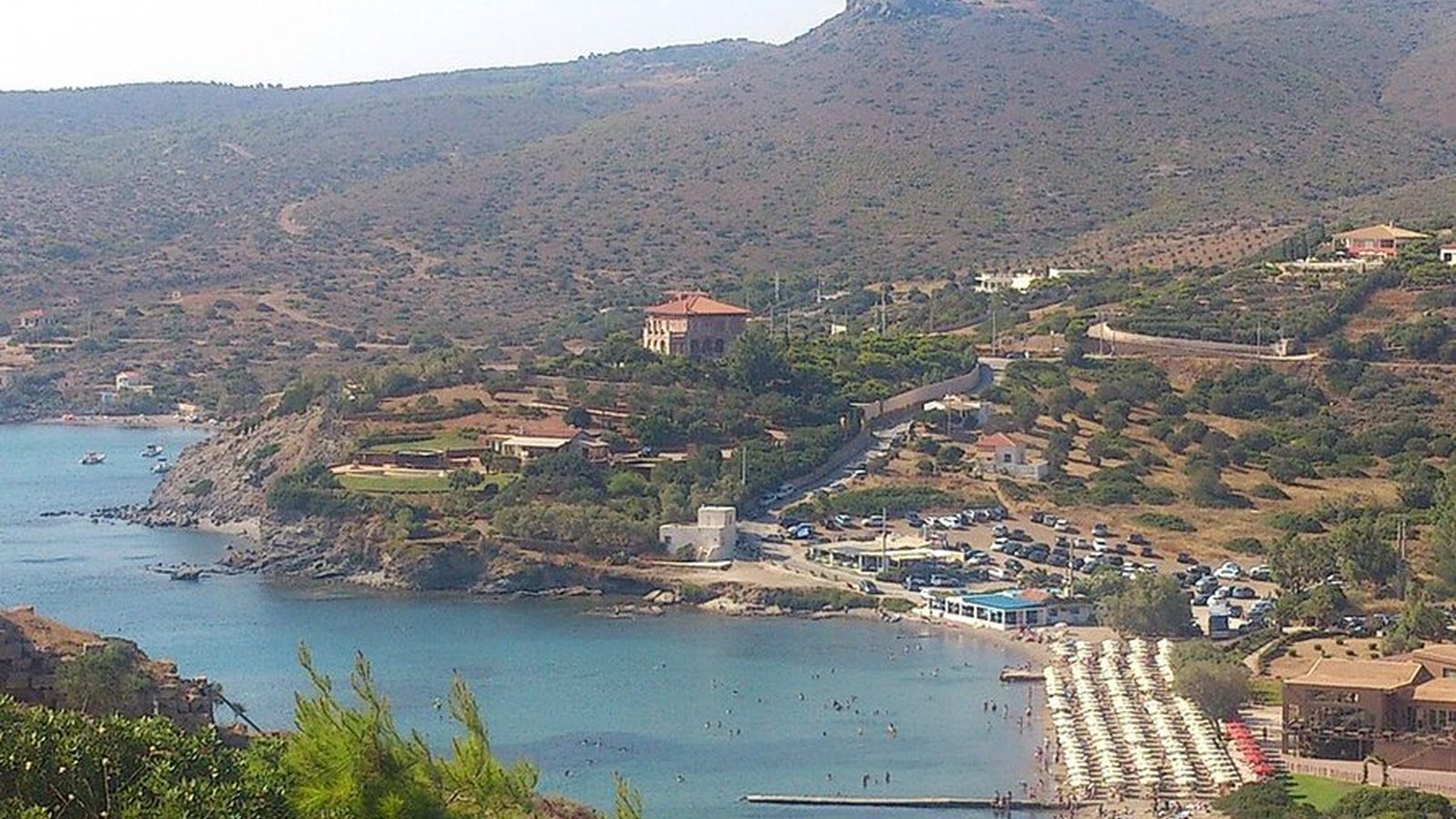
The tourism spatial plan sets zones by area and by groups of islands, with different construction terms and different capacity limits for accommodation, so that the intensity of tourism development is not uniform across the country. The most immediately noticeable rule concerns coastlines: within the first 25 metres from the shoreline, new development and construction are banned, with the exceptions already provided for in the legislation. In practice, the two approvals move into the planning field a series of issues that until now were judged case by case, meaning investment decisions will depend less on individual permitting. No transitional period has been announced, nor how applications already filed will be handled, a point that does not emerge from the available sources.
The same framework has already prompted reactions from island municipalities, with Cyclades municipalities considering an appeal to the Council of State. This point is not included in the Cabinet briefing covered by the article’s two sources and is given here as context, without further detail. The next step is publication of the decisions and their incorporation into subordinate planning, while judicial review remains open. The coastline rule is directly linked to a year of intense tourist traffic, as arrivals rose 15.4% in the first half of the year, while the issue of siting wind farms had also been raised after the large fire in Boeotia attributed to sparks from a wind farm’s grid.
Πηγές
Πρωτογενείς πηγές
- Μαρινάκης: 46,6 δισ. ευρώ επενδύσεις, καταπολέμηση ακρίβειας, αλλαγές σε σχολεία, περιφέρεια, τουρισμό και ΑΠΕ — PowerGame · δημοσιεύθηκε 2026-08-24 · ανακτήθηκε 2026-08-25
Μέσα ενημέρωσης
- Μητσοτάκης: Από 1η Σεπτεμβρίου η Εθνική Συμφωνία Μείωσης Τιμών - Μήνυμα στην Άγκυρα για Χωροταξικό — reader.gr · δημοσιεύθηκε 2026-08-24 · ανακτήθηκε 2026-08-25