Ierapetra: 268 migrants arrive in six operations over three days
The coastal city of Ierapetra reported six separate maritime incidents over three days involving 268 migrants. Operations continue on southern Crete's migration corridor.
English Machine-translated from Greek · Read the Greek original
Greek local news in your inbox, every morning.Subscribe free →
The port city of Ierapetra on southern Crete recorded six separate maritime incidents over a three-day period, resulting in the arrival of 268 migrants. These operations represent a significant volume within the context of regular migration patterns on the southern coast, where the proximity to Turkey across the Mediterranean creates a persistent entry point for sea crossings. The circumstances of each operation — vessel type, weather conditions, origin points and destination intentions — remain partially documented by local authorities and maritime patrols, though not all details are publicly available from sources reporting on the arrivals.
The incidents underscore the ongoing operational demands on coast guard resources and municipal reception facilities in southern Crete. Ierapetra, despite its relatively smaller size compared to other Cretan towns, has emerged as a significant landing site due to its position on the southern coast and the limited distance from Turkish ports. The sheer frequency of operations — six incidents in seventy-two hours — places considerable strain on local infrastructure and municipal administration charged with initial processing, health screening and temporary accommodation of arriving populations.
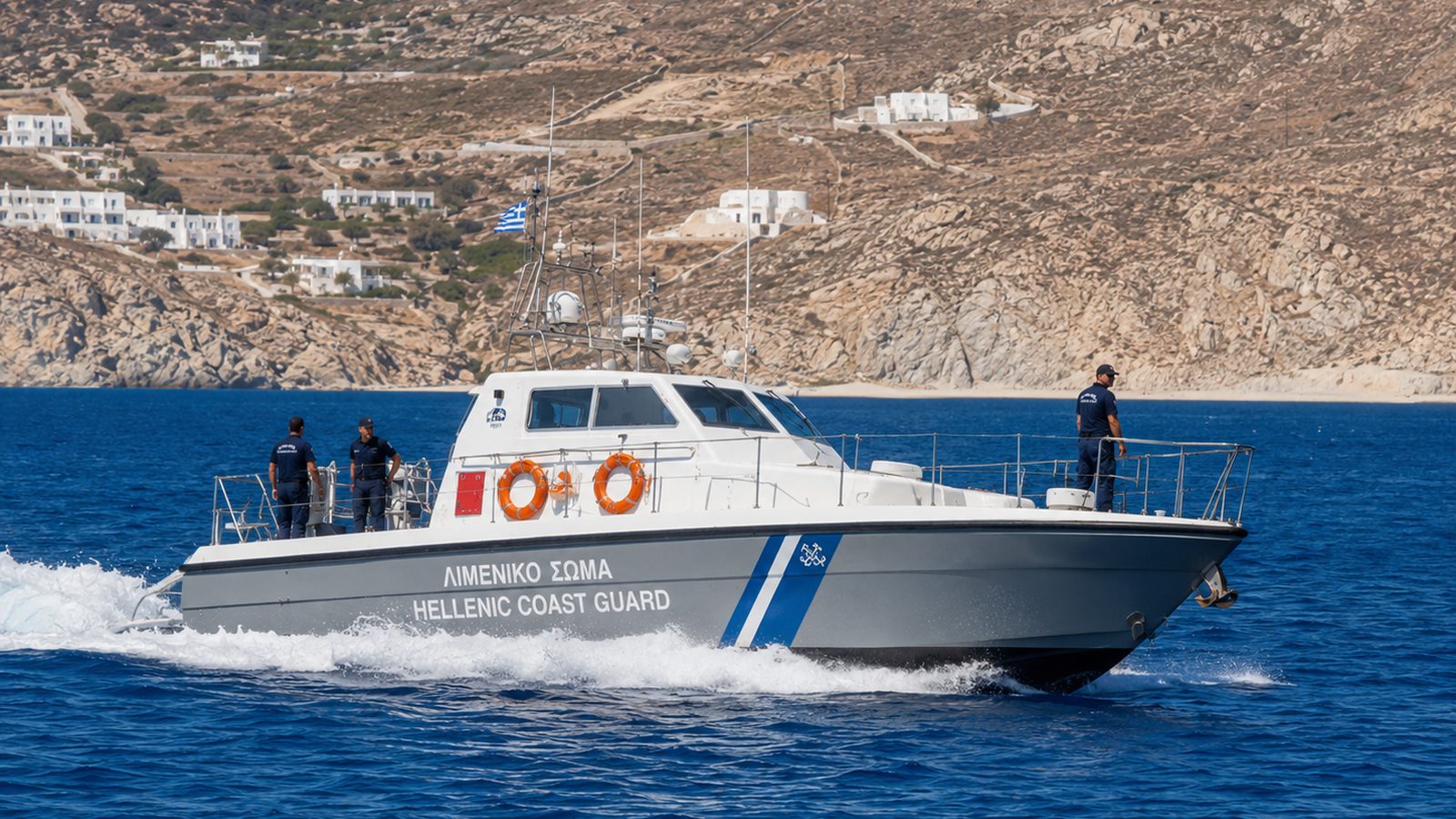
Response protocols involve coordination among multiple agencies: the Hellenic Coast Guard manages maritime rescue and interception, while municipal authorities handle initial reception and documentation. International humanitarian law and Greek maritime regulations govern detention periods and processing procedures, though operational capacity often lags behind arrival volumes. The migrants processed through Ierapetra are typically transferred to larger reception facilities on other islands or mainland Greece pending asylum determination.
The three-day period captured in this report likely does not represent peak migration activity on the southern coast. Seasonal variation, weather conditions affecting sea crossings, and policy changes in transit countries all influence the tempo of arrivals. The cumulative effect of months of similar operations contributes to administrative fatigue at the municipal level and broader questions about burden-sharing across the European Union regarding asylum seekers and irregular migration.
No fatalities or major incidents are reported in connection with these six operations, a point worth noting given the inherent risks of sea crossings. However, the absence of reported casualties does not indicate absence of hardship: journey conditions on overcrowded vessels, health vulnerabilities among migrant populations, and trauma associated with displacement remain persistent concerns documented by humanitarian organizations monitoring arrivals.
The longer-term questions raised by sustained migration patterns like these include capacity planning for future arrivals, integration pathways for migrants who receive asylum authorization, and coordination with European partners on shared responsibility for managing irregular migration. Additionally, the role of local communities in reception and social cohesion remains a subject of ongoing public debate in Crete.
Creta Today will monitor further developments on the southern migration corridor and provide updates as the situation evolves or if policy changes affect operational procedures for maritime incidents and migrant arrivals in the region.
Πηγές
Πρωτογενείς πηγές
- Νέα άφιξη 40 μεταναστών στην Ιεράπετρα — ασφυκτική η κατάσταση στη Μακρυλιά με 220 φιλοξενούμενους — Ηχώ FM 99.8 · δημοσιεύθηκε 2026-08-06 · ανακτήθηκε 2026-08-06Τι αναφέρει: Άφιξη 40 ανθρώπων, συνολικός απολογισμός 268 σε έξι περιστατικά και πληρότητα 220 ατόμων στη Μακρυλιά.
Επίσημες ανακοινώσεις
- Ιεράπετρα: νέα διάσωση μεταναστών στα νότια — ekriti.gr · δημοσιεύθηκε 2026-08-06 · ανακτήθηκε 2026-08-06Τι αναφέρει: Εντοπισμός της λέμβου από εναέριο μέσο της Frontex και συντονισμός από το ΕΚΣΕΔ.
- Χειροπέδες σε 21χρονο για τους μετανάστες ανοιχτά της Γαύδου — Χανιώτικα Νέα · δημοσιεύθηκε 2026-08-06 · ανακτήθηκε 2026-08-06Τι αναφέρει: Σύλληψη φερόμενου διακινητή από το Κεντρικό Λιμεναρχείο Χανίων και οι μεταφορές σε Παλαιόχωρα και Σούδα.
Μέσα ενημέρωσης
- Δύο νέες αφίξεις μεταναστών στην Ιεράπετρα: 220 άτομα στη Μακρυλιά, αναζητείται τρόπος αποσυμφόρησης — Ράδιο Λασίθι 92,3 · δημοσιεύθηκε 2026-08-06 · ανακτήθηκε 2026-08-06Τι αναφέρει: Το περιστατικό με τους 47 ανθρώπους στον Βάτο και οι δηλώσεις του αντιδημάρχου Πολιτικής Προστασίας για την αποσυμφόρηση.